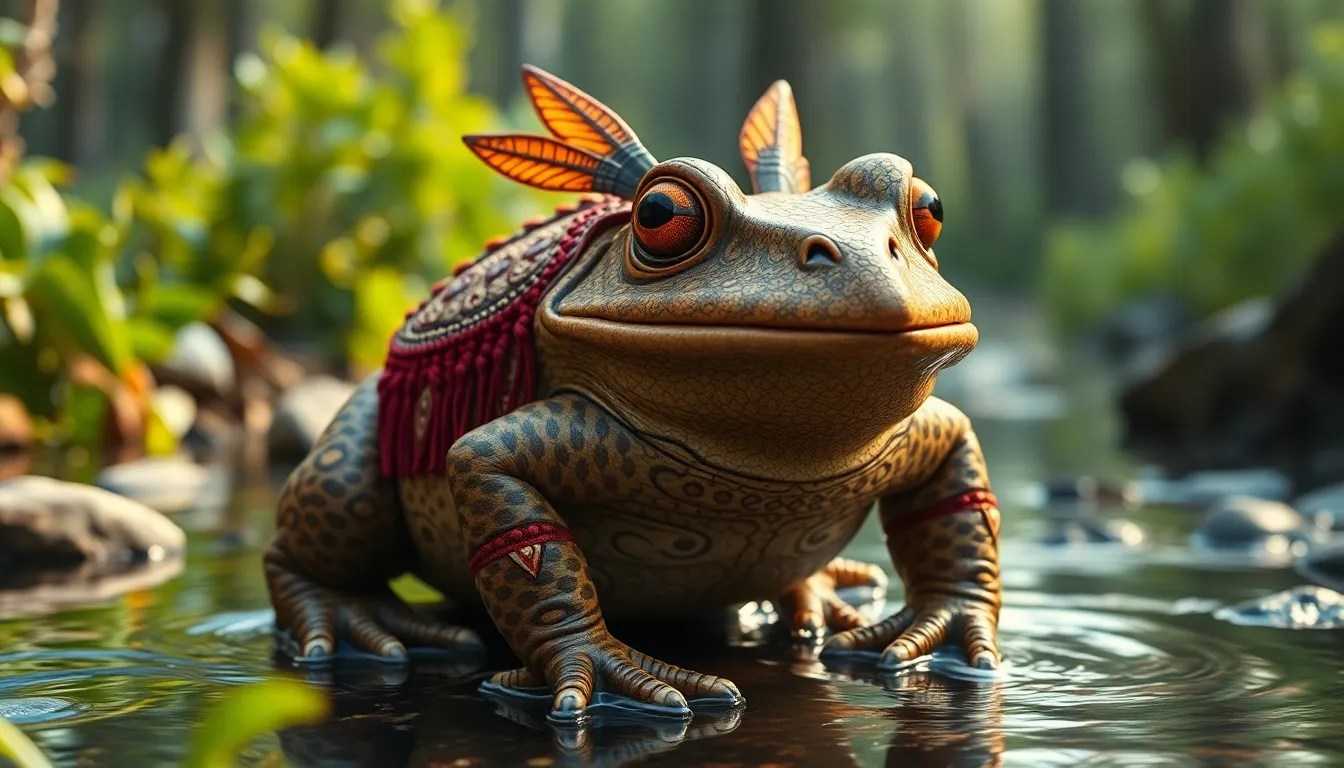
How the Iroquois Trickster Toad Changed the World
I. Introduction to Iroquois Mythology
The Iroquois, a confederation of six Native American tribes, have a rich cultural heritage that is deeply intertwined with their mythology. Their beliefs are steeped in a respect for nature, the interconnectedness of all living things, and a profound understanding of the cycles of life. Central to their storytelling tradition are trickster figures, who embody a complex blend of wisdom and folly, often serving as catalysts for change.
Among these tricksters, the Trickster Toad stands out as a central character in Iroquois lore. This figure not only entertains with his antics but also imparts important lessons about the world and human nature.
II. The Role of the Trickster in Iroquois Stories
Tricksters in Iroquois stories are often characterized by their cunning, playfulness, and ability to defy conventional wisdom. Some defining traits include:
- Resourcefulness in the face of challenges
- A tendency to bend or break societal rules
- The ability to teach moral lessons through their misadventures
Common themes associated with trickster figures include:
- Transformation and change
- The duality of chaos and order
- Lessons on humility and the consequences of pride
The Trickster Toad embodies this dual nature; he is both mischievous and wise, using his antics to challenge the status quo and provoke thought among the Iroquois people.
III. The Origin Story of the Trickster Toad
The creation of the Trickster Toad is steeped in rich narrative traditions. According to Iroquois mythology, the Toad was born during a time when the world was young and chaotic. His arrival was marked by a series of events that highlighted his unique attributes:
- His ability to adapt to various environments, symbolizing resilience.
- A croak that echoed the voices of nature, connecting him to the spirit world.
- A vibrant skin that changed colors, representing the fluidity of identity.
These attributes symbolize the Toad’s role as a bridge between the natural and supernatural realms, making him a central figure in the Iroquois understanding of the world.
IV. Major Adventures and Transformations
The Trickster Toad’s adventures are numerous and varied, each illustrating a moral or philosophical lesson. Some notable tales include:
- A story where the Toad outsmarts a fierce predator, teaching the value of wit over brute strength.
- An encounter with a greedy merchant, where the Toad’s cunning reveals the folly of greed.
- A tale of friendship with a young child, emphasizing the importance of nurturing relationships.
Through these adventures, the Toad’s actions bring about significant changes in the world, often leading to lessons learned by other characters and the audience alike.
V. The Trickster Toad’s Impact on Nature and Society
The Trickster Toad plays a crucial role in shaping both the natural world and societal norms. His actions often lead to:
- Restoration of balance in nature by outsmarting those who disrupt harmony.
- Changes in societal relationships, encouraging cooperation and understanding among tribes.
- A reminder of the balance between chaos and order, showing that both are necessary for growth.
Through his adventures, the Toad teaches that while chaos can lead to disruption, it can also foster creativity and innovation.
VI. Comparing the Trickster Toad to Other Trickster Figures
The Trickster Toad shares similarities with other trickster figures found in Native American mythology, such as Coyote and Raven. Some parallels include:
- Their role as agents of change and transformation.
- Their complex nature, embodying both wisdom and folly.
Globally, trickster figures can be found in various cultures, such as Anansi in African folklore and Loki in Norse myths. While these figures may differ in their specific traits and stories, they all serve essential roles in their respective cultures’ moral frameworks.
VII. Modern Interpretations and Cultural Relevance
Contemporary Iroquois communities view the Trickster Toad as a vital part of their cultural identity. His stories continue to resonate, inspiring modern storytelling and art. The Toad’s influence can be seen in:
- Artworks that explore themes of nature and identity.
- Literature that incorporates traditional tales into new narratives.
- Discussions on morality and ethics, highlighting the relevance of trickster wisdom in today’s world.
The Trickster Toad serves as a reminder of the importance of storytelling in preserving cultural heritage and imparting wisdom to future generations.
VIII. Conclusion
The Trickster Toad holds a significant place in Iroquois mythology, embodying the complexities of human nature and the world around us. His stories offer enduring lessons on resilience, creativity, and the balance of chaos and order. As we reflect on the importance of preserving Native American myths, we recognize their profound teachings that continue to be relevant in contemporary society.
In a world that often seeks to categorize and simplify, the Trickster Toad invites us to embrace the complexity of life, reminding us that wisdom can often be found in the most unexpected places.


