The Apache Connection to the Stars: Navigating Life with Mythology
I. Introduction
The Apache people, with their rich cultural heritage and profound respect for nature, maintain a deep connection to the cosmos. Their mythology and belief systems intricately weave together their understanding of the universe, reflecting their relationship with the stars and celestial bodies. This connection is not merely philosophical; it plays a critical role in their daily lives, guiding them through challenges and shaping their identities.
Mythology holds a prominent place in Apache life, serving as a framework through which they interpret their experiences and the world around them. The stories of celestial beings and cosmic events provide insights into moral values, social norms, and the community’s relationship with nature.
II. The Role of the Stars in Apache Mythology
In Apache mythology, the stars are not just distant points of light; they are significant figures with personalities and stories of their own. The Apache people often personify celestial bodies, attributing human-like qualities and narratives to them.
- Star People: The Apache believe in the existence of Star People who guide and protect them.
- Constellations: Various constellations are linked to specific stories and lessons that are passed down through generations.
This personification of stars enriches the cultural narratives and provides a framework for understanding the world, as each star and constellation embodies lessons about life, nature, and community values.
III. Creation Myths and the Cosmos
Apache creation myths are deeply intertwined with the cosmos, illustrating how the world came to be and the role of celestial elements in this process. These stories often feature important celestial components that reflect the Apache understanding of their place in the universe.
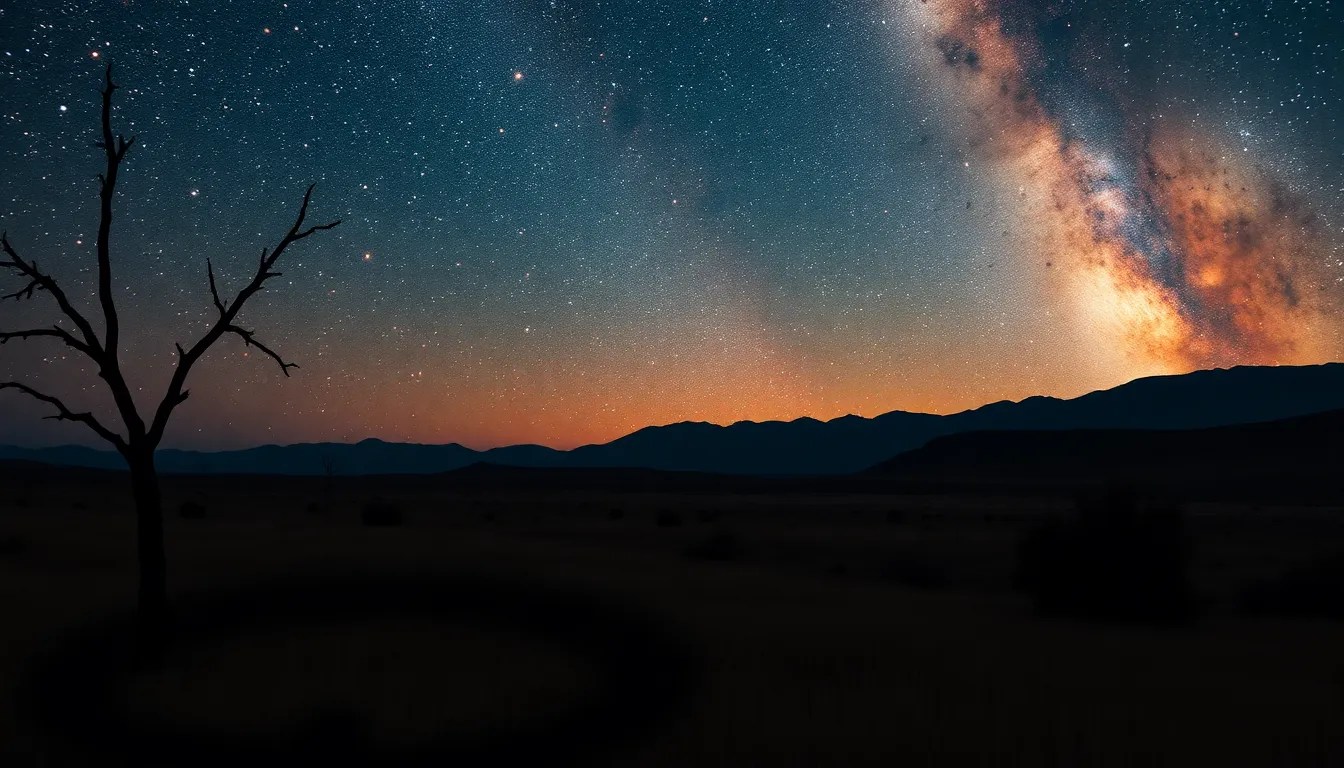
- The Milky Way: Often viewed as a pathway or river connecting the earth to the heavens, the Milky Way plays a crucial role in creation narratives.
- Constellations: Many constellations are associated with creation events, providing moral lessons and cultural significance.
The significance of these celestial narratives lies in their ability to convey the interconnectedness of life and the universe, reminding the Apache of their roots and guiding them in their interactions with the world.
IV. Navigational Practices: Looking to the Sky
Traditionally, the Apache have relied on the stars for navigation, a practice that showcases their intimate knowledge of celestial bodies. Their methods of navigation using the night sky illustrate the practical applications of their mythology.
- Star Paths: The Apache would follow specific stars to find their way during both day and night, using the position of stars to determine direction.
- Legendary Guides: Stories of heroes and mythical figures who navigated by the stars are integral to Apache culture, serving as educational tales for younger generations.
These navigational practices highlight the significance of the stars in everyday life, linking mythology with practical survival skills.
V. The Stars as Guides for Life Decisions
Apache elders hold a revered position in the community, often interpreting celestial movements to provide guidance on important life decisions. Their insights, derived from the stars, play a crucial role in the community’s decision-making processes.
- Celestial Events: Events such as eclipses or meteor showers are viewed as significant omens or opportunities, influencing the timing of important community activities.
- Personal Guidance: Individuals often seek the wisdom of elders to understand how the stars might affect personal choices, from marriage to agricultural practices.
This interpretation of celestial movements fosters a deep respect for the cosmos and reinforces the belief that the stars are active participants in the lives of the Apache people.
VI. Rituals and Ceremonies Linked to Astral Events
The Apache engage in various rituals and ceremonies that honor the stars and significant celestial events. These practices strengthen their cultural identity and reinforce their connection to the cosmos.
- Star Dances: Ceremonial dances are performed to celebrate the stars, often coinciding with seasonal changes.
- Night Sky Observations: Elders lead gatherings to observe celestial events, fostering community bonds and imparting knowledge.
The connection between these rituals and the natural world emphasizes the importance of celestial events in marking time and guiding agricultural practices, reinforcing their deep-rooted ties to the land and the universe.
VII. Modern Interpretations of Apache Star Mythology
In contemporary times, Apache communities continue to uphold and adapt their star-related traditions, reflecting their resilience and commitment to cultural preservation. These modern interpretations showcase how traditional beliefs can coexist with contemporary life.
- Cultural Revitalization: Many Apache people are actively engaged in revitalizing their cultural practices, including those related to star mythology.
- Spiritual Influence: The teachings from star mythology influence modern Apache spirituality and identity, providing a foundation for cultural continuity.
These adaptations demonstrate the dynamic nature of Apache culture and the importance of the stars in shaping their identity, even in a rapidly changing world.
VIII. Conclusion
The Apache connection to the stars is a profound and multifaceted aspect of their culture, encompassing mythology, navigation, and daily decision-making. The stories of celestial beings and the rituals honoring these cosmic entities serve as vital links between the Apache people and the universe.
As we explore the teachings embedded in Apache mythology, we gain valuable insights into their worldview and the importance of maintaining harmony with the cosmos. Delving deeper into Apache mythology not only enriches our understanding of this remarkable culture but also invites us to reflect on our own connection to the universe.


