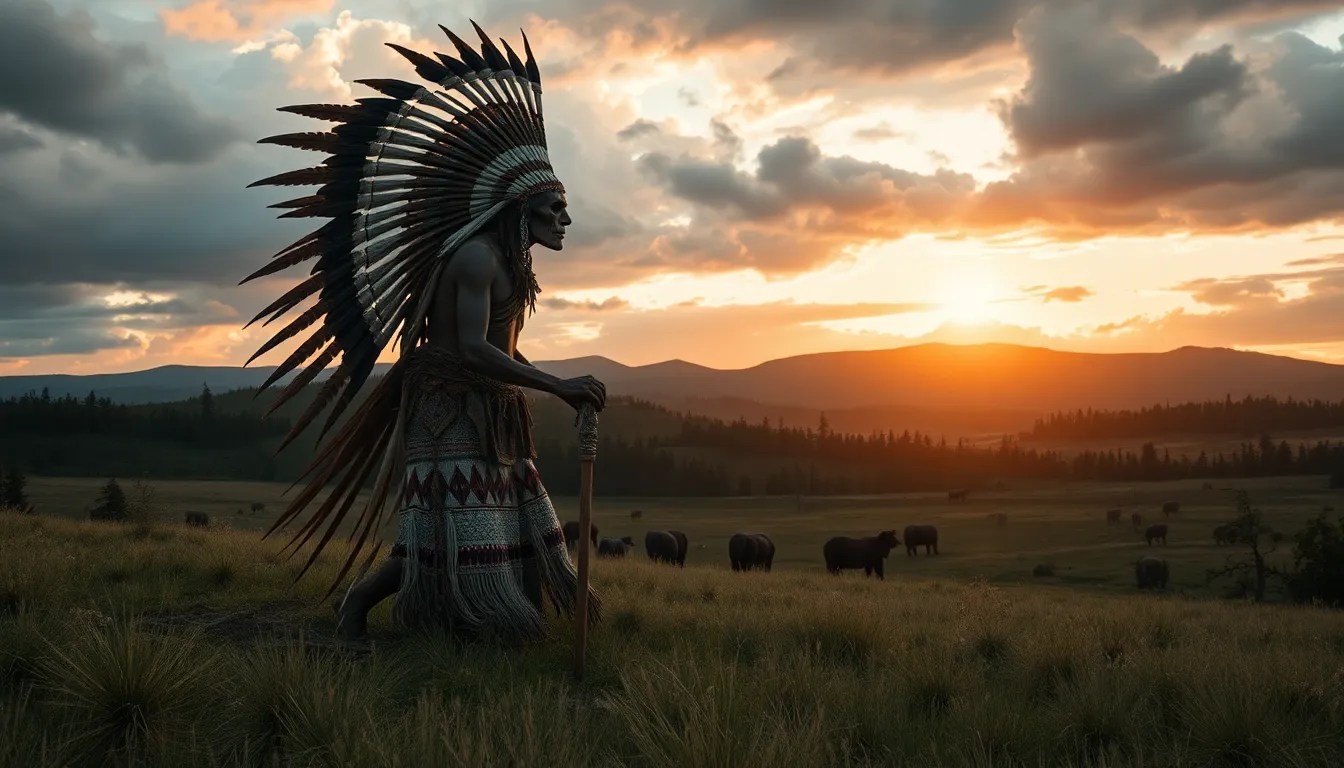
The Apache Perspective on Death: Myths and Rituals
I. Introduction
The Apache people, a group of culturally diverse tribes in the Southwestern United States, hold a rich tapestry of beliefs that shape their understanding of the world. Central to these beliefs is the concept of death, which is not viewed as an end but rather as a continuation of life in a different form. This article delves into the Apache perspective on death, exploring the myths, rituals, and cultural significance that surround this profound aspect of human existence.
In Apache culture, death is intricately linked to the cycles of nature and the spiritual realm. The Apache worldview emphasizes the interconnectedness of all beings, suggesting that death is merely a transition rather than a finality. This understanding fosters a deep respect for both the living and the deceased, guiding their rituals and practices.
The purpose of this article is to provide a comprehensive overview of how the Apache people perceive death, the myths that inform their beliefs, and the rituals that honor their departed. It aims to shed light on the richness of Apache culture and its enduring legacy.
II. Understanding Apache Cosmology
Apache cosmology is rooted in the belief that life and death are part of a continuous cycle. This interconnectedness is reflected in their understanding of the natural world and the spiritual forces that inhabit it.
A. The interconnectedness of life and death
In Apache belief, life does not end with physical death; rather, it transforms into another state of existence. The dead are thought to continue influencing the living, ensuring that their presence remains felt within the community. This cyclical view fosters a sense of continuity and belonging, emphasizing that every life is part of a larger whole.
B. Role of nature and the spiritual world
Nature plays a crucial role in Apache cosmology. The landscape, animals, and plants are seen as embodiments of spiritual forces. The Apache believe that these natural elements possess their own spirits, which can guide and protect individuals throughout their lives and after death. The spiritual world is populated by various beings, including ancestors, who are revered and honored through rituals and prayers.
C. Key deities and spirits associated with death
- Goddess of the Underworld: The Apache believe in a goddess who presides over the underworld, guiding souls to their final resting place.
- Ancestors: Ancestors play a vital role in the spiritual lives of the Apache, serving as protectors and guides for the living.
- Nature Spirits: Various spirits associated with animals, plants, and natural phenomena are invoked during death-related rituals.
III. Myths Surrounding Death in Apache Tradition
Apache myths are rich with narratives that explain the nature of life, death, and the afterlife. These stories are not merely entertainment but serve as vital teaching tools, imparting wisdom and cultural values to the community.
A. Creation stories and the cycle of life and death
Creation stories often depict the beginnings of the world, the emergence of humans, and the establishment of the natural order. These narratives emphasize the idea that life and death are intertwined, with death serving as a necessary part of the cycle that sustains life.
B. Legends that explain the afterlife
Apache legends frequently explore the afterlife, describing a journey that the soul embarks upon after death. Souls are believed to travel to a realm where they are reunited with ancestors, reflecting the Apache belief in the continuity of existence beyond physical life.
C. Symbolism of animals and natural elements
The Apache utilize animals and natural elements as symbols in their death myths. For instance, the eagle is often seen as a messenger between the living and the dead, while water symbolizes purification and the transition between life and death.
IV. Rituals and Practices Related to Death
Apache death rituals are profound expressions of their beliefs, designed to honor the deceased and support the grieving community. These practices vary among different Apache tribes but share common themes of respect and remembrance.
A. Pre-death rituals and their significance
Before death occurs, Apache families may engage in rituals aimed at preparing both the individual and the community for the transition. These rituals can include:
- Conducting prayers and offerings to ensure a peaceful passage.
- Gathering family and community members to provide support.
- Recalling stories of the individual’s life to celebrate their contributions.
B. Funerary customs: practices for the deceased
After a person passes away, specific funerary customs are observed, which may include:
- Washing and dressing the body in traditional attire.
- Holding a wake or vigil to honor the deceased.
- Burial practices that reflect the individual’s life and beliefs.
C. Mourning rituals and community involvement
The mourning period is a communal affair, where friends and family come together to support one another. Mourning rituals may involve:
- Collective prayers and songs to honor the deceased.
- Sharing meals and stories that celebrate the life of the departed.
- Engaging in communal activities that reinforce social bonds.
V. The Role of Shamans and Spiritual Guides
Shamans hold a revered position within Apache society, especially concerning death and the afterlife. They serve as spiritual mediators who guide individuals through the complexities of loss and transition.
A. Shamans’ responsibilities in death and the afterlife
Shamans are responsible for performing rituals that honor the deceased and facilitate their journey into the afterlife. They possess a deep understanding of the spiritual world, allowing them to communicate with ancestors and other spiritual entities.
B. Healing rituals and guidance for the grieving
In times of grief, shamans provide healing rituals designed to comfort those who are mourning. These may include:
- Traditional herbal remedies to promote emotional and spiritual healing.
- Guided meditation or prayer to help individuals cope with their loss.
- Personalized rituals that acknowledge the unique relationship between the deceased and the bereaved.
C. The shaman as a mediator between worlds
Shamans serve as vital links between the physical and spiritual realms. They interpret signs and messages from the spirit world, providing insight and reassurance to the living about their loved ones who have passed on.
VI. Contemporary Apache Perspectives on Death
As with many Indigenous cultures, the Apache perspective on death has evolved over time, influenced by external forces and modernity.
A. Changes in rituals and beliefs in modern times
Contemporary Apache communities may incorporate new elements into their death rituals, blending traditional practices with modern influences. While some may adopt contemporary burial practices or memorial services, the core beliefs about the afterlife and the importance of honoring the deceased remain intact.
B. Preservation of traditional practices
Many Apache tribes are actively engaged in preserving their traditional practices related to death. This includes:
- Teaching younger generations about their cultural heritage.
- Reviving traditional ceremonies that may have been diminished.
- Creating community events that celebrate Apache identity and beliefs.
C. Influence of external cultures on Apache death customs
While external cultures have influenced Apache death customs, the community often adapts these influences to align with their traditional beliefs. This synthesis allows them to maintain their cultural identity while navigating the complexities of modern society.
VII. The Impact of Death on Apache Identity and Community
Death plays a significant role in shaping Apache identity and fostering community cohesion. It serves as a reminder of the interconnectedness of life and the shared experiences that bind individuals together.
A. Death as a unifying force within the community
The collective experience of loss can strengthen community ties, as members come together to support one another. Death is seen not as an isolating event but as a catalyst for unity and shared remembrance.
B. The role of storytelling in maintaining cultural heritage
Storytelling serves as a vital means of preserving Apache culture, especially concerning death. Through narratives, the teachings and values surrounding life and death are transmitted from one generation to the next, ensuring that cultural heritage remains alive.
C. Resilience and adaptation in the face of loss
The Apache people demonstrate remarkable resilience in the face of loss, drawing strength from their beliefs and community support. This adaptability allows them to honor their dead while continuing to thrive as a people.
VIII. Conclusion
In summary


