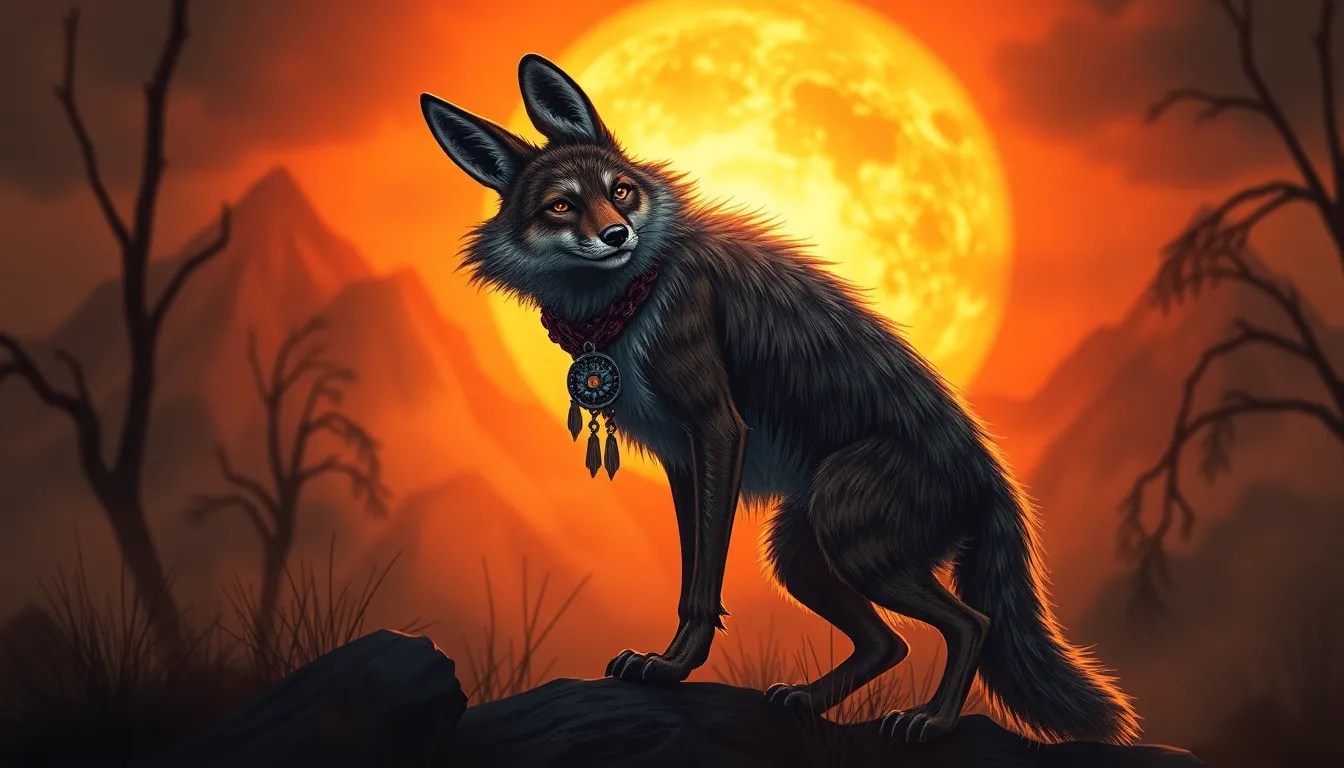
The Apache Trickster: How Coyote Teaches Important Life Lessons
I. Introduction
In Native American mythology, trickster figures hold a significant place, often embodying the complexities of human nature and the world around us. Among these figures, Coyote stands out as a prominent trickster in Apache mythology, serving as a vital character in cultural storytelling. Through his cunning, humor, and often mischievous behavior, Coyote teaches important life lessons that resonate deeply within Apache culture and beyond.
II. The Role of Coyote in Apache Mythology
Coyote is characterized by his dual nature, embodying both the roles of creator and deceiver. He is often depicted as a clever and resourceful figure, possessing an array of attributes that make him both endearing and frustrating. Key characteristics of Coyote include:
- Intelligence: Coyote often outsmarts others, using his wits to navigate tricky situations.
- Humor: His antics often provide comic relief, making him a beloved figure in Apache folklore.
- Deception: While he can be a creator, Coyote’s trickery can lead to chaos and confusion.
This duality allows Coyote to serve as a symbol of the complexities of life, illustrating that creation and destruction often coexist. His stories reflect the intricate balance between good and bad, teaching lessons through the consequences of his actions.
III. Key Myths Featuring Coyote
Numerous myths highlight Coyote’s trickster qualities. Some of the most popular Apache stories include:
- The Creation of the World: In this myth, Coyote plays a role in shaping the Earth and its inhabitants, showcasing his creative side.
- Coyote and the Roadrunner: This tale illustrates Coyote’s relentless pursuit of the seemingly unattainable, emphasizing the futility and humor in his endeavors.
- The Theft of Fire: Coyote’s cleverness is on display as he devises a plan to steal fire for the benefit of his people, highlighting themes of sacrifice and ingenuity.
Each of these stories not only entertains but also serves to highlight the multifaceted nature of Coyote, reinforcing his role as a teacher through the lessons embedded in his adventures.
IV. Life Lessons Taught by Coyote
Coyote’s stories are rich with moral lessons that resonate with audiences of all ages. Some key themes include:
- Resilience: Coyote often faces setbacks but continues to adapt and persist, teaching the value of resilience in the face of adversity.
- Humility: His misadventures often result in lessons about humility, reminding listeners that pride can lead to downfall.
- The Importance of Wit: Coyote’s cleverness showcases the significance of intelligence and quick thinking in overcoming challenges.
Through these lessons, Coyote encourages individuals to reflect on their own lives and the choices they make, instilling a sense of responsibility and awareness.
V. Coyote as a Symbol of Change and Adaptation
Coyote’s ability to navigate challenges and transform situations is a central theme in many of his stories. As a symbol of change, Coyote demonstrates how fluid and dynamic life can be. His experiences often mirror the struggles and triumphs faced by individuals in contemporary society:
- Adaptation: Coyote’s knack for adapting to different circumstances serves as a reminder of the importance of flexibility in life.
- Transformation: His ability to change outcomes through wit and cunning reflects the potential for personal growth and transformation.
In today’s fast-paced world, Coyote’s traits resonate strongly, encouraging individuals to embrace change and find creative solutions to their problems.
VI. The Trickster’s Influence on Apache Culture
Coyote’s stories play a crucial role in shaping Apache cultural identity and values. These tales serve not only as entertainment but also as moral compasses that guide behavior and decision-making within the community:
- Oral Tradition: The oral storytelling tradition ensures that Coyote’s lessons are passed down through generations, preserving cultural heritage.
- Cultural Identity: Coyote’s character embodies the spirit of the Apache people, reflecting their values, beliefs, and worldview.
This influence extends beyond mere stories, as Coyote’s qualities are often mirrored in the behavior and attitudes of the Apache community members, reinforcing shared cultural values.
VII. Coyote in Modern Context
In contemporary society, Coyote’s relevance continues to thrive. He appears in various forms of popular culture, including literature, film, and art. Some notable examples include:
- Literature: Modern authors draw inspiration from Coyote’s character, weaving his traits into contemporary narratives.
- Art: Visual artists often depict Coyote, celebrating his role as a trickster and exploring themes of identity and culture.
- Film and Television: Coyote’s stories are adapted into various media, introducing new audiences to Apache mythology.
These adaptations serve to keep Coyote’s legacy alive, ensuring that his lessons remain relevant in a rapidly changing world.
VIII. Conclusion
Coyote stands as a significant figure within Apache mythology, embodying the complexities of life through his role as a teacher and guide. His stories offer timeless lessons in resilience, humility, and adaptability, resonating with both historical and modern audiences. As we reflect on Coyote’s enduring legacy, it is clear that his life lessons continue to inspire and educate, reminding us of the importance of wit, creativity, and the intricate dance of life.


