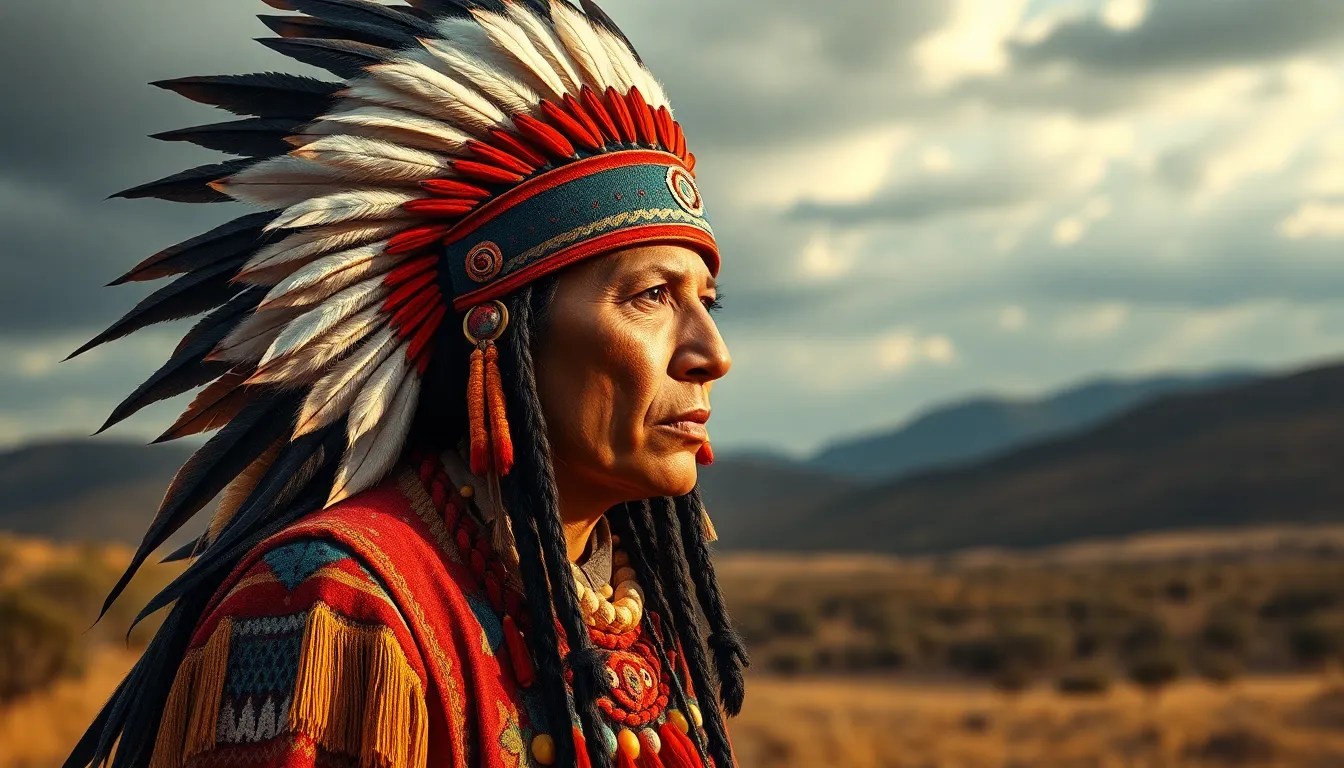
The Role of Apache Art in Spiritual Expression and Identity
I. Introduction
The Apache people, a group of culturally rich Native American tribes, have a deep-rooted connection to their artistic traditions. Art is not merely a form of expression for the Apache; it is an integral aspect of their spirituality and identity. Through various artistic forms, the Apache convey their beliefs, values, and histories, creating a vivid tapestry that reflects their unique cultural heritage.
This article aims to explore the intersection of art, spirituality, and identity in Apache culture, shedding light on how these elements intertwine to create a profound understanding of what it means to be Apache.
II. Historical Context of Apache Art
A. Origins and evolution of Apache artistic traditions
The origins of Apache art can be traced back to the early days of the Apache people, characterized by their nomadic lifestyle and connection to the land. Traditionally, Apache art has included pottery, weaving, beadwork, and rock art, all of which have evolved over time influenced by environmental, social, and historical factors.
B. Influence of historical events on artistic expression
Historical events, such as colonization, forced relocations, and conflicts, have significantly shaped Apache artistic expression. These experiences have often been reflected in their art, which serves as a medium for conveying stories of resilience, survival, and cultural identity amidst adversity.
III. Key Themes in Apache Art
A. Spiritual symbolism in Apache art
Apache art is imbued with spiritual symbolism. Many artworks incorporate motifs that represent spiritual beliefs and the interconnectedness of life. Common themes include:
- Transformation and healing
- Connection to ancestors
- Harmony with nature
B. Representation of nature, community, and ancestors
Apache art often portrays elements of nature, reflecting the tribe’s deep respect for the environment. Additionally, community and family are central themes, with artworks celebrating communal events, rituals, and ancestral heritage.
C. Use of color and materials in conveying meaning
Colors and materials used in Apache art are selected for their cultural significance. For example:
- Red symbolizes strength and vitality.
- Black represents the earth and resilience.
- Natural materials, such as clay and plant fibers, connect the artwork to the land.
IV. Traditional Art Forms and Their Spiritual Significance
A. Pottery and its role in rituals and daily life
Pottery is one of the oldest forms of Apache art, used for both practical and ceremonial purposes. Each piece is often decorated with symbolic designs that convey stories or spiritual meanings, making pottery a vital part of both daily life and ritual practices.
B. Weaving and its connection to identity and storytelling
Weaving, particularly of baskets and textiles, is another significant art form among the Apache. Each woven piece tells a story, often relating to cultural traditions and identity. The intricate patterns and techniques used in weaving are passed down through generations, preserving cultural narratives.
C. Beadwork and its significance in cultural transmission
Beadwork is a prominent tradition in Apache culture, often used to create jewelry and ceremonial items. This art form is not only a means of adornment but also a way to transmit cultural values and stories, connecting the past to the present.
V. Contemporary Apache Artists and Their Impact
A. Profiles of notable contemporary Apache artists
Contemporary Apache artists are redefining traditional forms and creating innovative expressions of their culture. Notable artists include:
- Shonto Begay – A painter known for his vibrant depictions of Apache life and culture.
- Ruth L. K. Phillips – A beadwork artist who incorporates traditional techniques into modern designs.
B. How modern interpretations reflect traditional values
Many contemporary Apache artists blend traditional techniques with modern themes, allowing them to express their cultural identity while addressing contemporary issues. This fusion creates a dialogue between the past and present, enriching the narrative of Apache art.
C. The role of contemporary art in cultural revival
Contemporary Apache art plays a crucial role in the revival of cultural practices and the reassertion of identity. By showcasing their work in galleries and public spaces, artists contribute to a broader appreciation of Apache culture and heritage.
VI. Art as a Medium of Spiritual Expression
A. Rituals and ceremonies involving art
Art is integral to Apache rituals and ceremonies, often serving as a medium through which spiritual beliefs are expressed. Artifacts created for specific ceremonies are believed to hold spiritual power and significance, enhancing the ritual’s effectiveness.
B. The significance of art in healing practices
Art also plays a role in healing practices among the Apache, where art forms are used in rituals to promote physical, emotional, and spiritual healing. The creative process itself is seen as therapeutic, allowing individuals to connect with their inner selves and the spirit world.
C. Art as a form of storytelling and spiritual connection
Through art, Apache people tell their stories, conveying complex spiritual beliefs and histories. This storytelling aspect fosters a deep spiritual connection, allowing individuals to reflect on their identity and place within the larger community.
VII. Challenges and Preservation of Apache Artistic Heritage
A. Threats to traditional art forms in modern society
Despite the resilience of Apache art, traditional forms face numerous challenges in modern society, including:
- Commercialization that often dilutes cultural significance.
- Loss of traditional knowledge and techniques due to generational gaps.
B. Efforts to preserve and promote Apache art and culture
Numerous initiatives aim to preserve Apache artistic heritage, including workshops, cultural festivals, and educational programs that encourage the younger generation to engage with traditional practices.
C. Role of community and education in fostering artistic identity
Community involvement is essential in fostering artistic identity. By educating younger members about traditional practices and encouraging participation in art creation, the Apache community ensures that their artistic heritage remains vibrant and relevant.
VIII. Conclusion
In conclusion, Apache art serves as a powerful medium of spiritual expression and a cornerstone of cultural identity. Through various artistic forms, the Apache people convey their beliefs, histories, and connections to nature and community. As we appreciate and support Apache art and culture, we contribute to the preservation of a rich heritage that continues to evolve while honoring its roots.
As we reflect on the enduring legacy of Apache artistic expression, let us recognize the importance of these traditions in enriching our understanding of diversity and the human experience.


