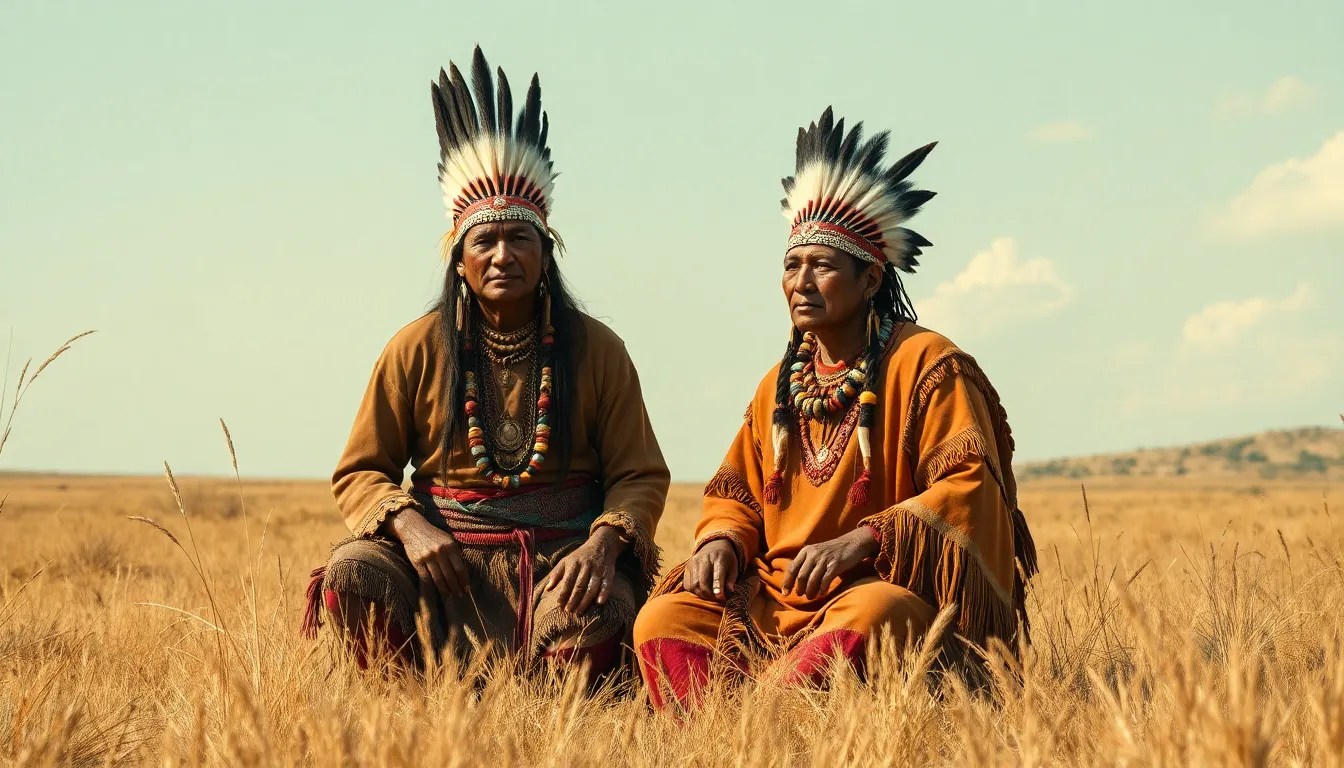
The Role of Apache Elders in Guiding Spiritual Development
I. Introduction to Apache Spirituality
Apache spirituality is a rich tapestry woven from beliefs, practices, and a deep connection with the natural world. Central to Apache belief systems is the understanding that all elements of creation are interconnected, and this relationship profoundly influences their cultural and spiritual practices.
Spirituality in Apache culture is not merely an aspect of life; it is the essence of existence. It shapes their worldview, community dynamics, and individual identities. Apache spirituality encompasses ceremonies, stories, and teachings that have been passed down through generations.
This article explores the pivotal role of Elders within Apache spirituality, emphasizing their influence in guiding spiritual development and preserving cultural traditions.
II. Understanding the Role of Elders in Apache Society
A. Definition of “Elder” in Apache culture
In Apache culture, an “Elder” is more than just an older person; Elders are respected leaders who embody wisdom, knowledge, and experience. They are often seen as spiritual guides and advisors who play a crucial role in community life.
B. Historical significance of Elders
Elders have historically been the backbone of Apache society. They were the storytellers, the keepers of history, and the transmitters of cultural values. Their experiences during times of struggle, migration, and adaptation have provided invaluable lessons for younger generations.
C. Elders as custodians of tradition and knowledge
As custodians of tradition, Elders ensure that Apache beliefs and practices are preserved and passed on. They are responsible for teaching essential life skills, cultural practices, and the spiritual significance of various rituals.
III. Elders as Spiritual Guides
A. The role of Elders in spiritual education
Elders serve as spiritual educators, guiding individuals on their personal spiritual journeys. They provide teachings that help community members understand their place in the world and their responsibilities to both their people and the earth.
B. Transmission of oral traditions and teachings
Oral tradition is a cornerstone of Apache spirituality. Elders are the primary transmitters of these oral histories, stories, and teachings. Through storytelling, they impart moral lessons and historical knowledge that reinforce Apache identity.
C. Mentorship in personal spiritual journeys
Apache Elders often take on mentorship roles, providing guidance and support to individuals seeking to deepen their spiritual understanding. This mentorship fosters a sense of belonging and continuity within the community.
IV. Rituals and Ceremonies Led by Elders
A. Overview of key rituals and ceremonies
Apache spirituality is rich with rituals and ceremonies that reflect their beliefs and values. Key ceremonies include:
- The Sunrise Ceremony – a rite of passage for young women.
- The Enemy Way – a healing ceremony for veterans.
- Various seasonal celebrations that honor natural cycles.
B. Elders’ participation in healing and blessing rituals
Elders often lead healing and blessing rituals, invoking spiritual powers to restore balance and harmony within individuals and the community. Their presence in these ceremonies is believed to enhance the spiritual efficacy of the rituals.
C. The significance of communal gatherings led by Elders
Communal gatherings, often led by Elders, serve to strengthen community bonds. These events are opportunities for sharing knowledge, celebrating cultural identity, and reinforcing spiritual beliefs.
V. Elders’ Influence on Youth and Community
A. Intergenerational relationships and learning
Intergenerational relationships are vital in Apache culture. Elders play a key role in fostering connections between generations, ensuring that wisdom and traditions are not lost but rather enriched by the experiences of youth.
B. Elders as role models for younger generations
Through their actions and teachings, Elders serve as role models. They demonstrate the importance of respect, resilience, and community service, instilling these values in younger members of the tribe.
C. Community cohesion and support facilitated by Elders
The presence of Elders fosters a sense of unity and support within the community. Their wisdom and guidance are crucial in resolving conflicts and promoting harmony among community members.
VI. Challenges Faced by Apache Elders Today
A. The impact of modernization on traditional roles
Modernization poses significant challenges to the traditional roles of Elders. The rapid pace of change often leads to a disconnection from cultural practices and spiritual teachings.
B. Loss of language and cultural practices
As younger generations become more assimilated into mainstream culture, the Apache language and traditional practices face the risk of dwindling. Elders are concerned about preserving their language, which is integral to their identity and spirituality.
C. Strategies for preserving spiritual teachings
To combat these challenges, Elders are employing various strategies, such as:
- Teaching the Apache language to youth.
- Organizing cultural workshops and events.
- Utilizing technology to share teachings and stories.
VII. The Future of Spiritual Development in Apache Culture
A. The evolving role of Elders in contemporary society
The role of Elders is evolving as they adapt to modern realities while maintaining their cultural identity. They are increasingly using technology to reach younger generations and share their wisdom.
B. Integrating old traditions with modern practices
Finding a balance between traditional practices and contemporary life is essential for the spiritual development of the Apache community. Elders play a crucial role in facilitating this integration.
C. The importance of youth engagement in spiritual development
Engaging youth in spiritual development is vital for the future of Apache culture. Elders encourage young people to participate in traditional practices and take on leadership roles within the community.
VIII. Conclusion
The role of Elders in Apache spirituality is indispensable. They are the guardians of tradition, the transmitters of knowledge, and the spiritual guides who shape the community’s identity and spiritual growth.
As we reflect on the importance of preserving and honoring Apache traditions, it is essential to recognize the vital contributions of Elders in this endeavor. By fostering intergenerational connections and encouraging youth engagement, the Apache community can continue to thrive and maintain its rich spiritual heritage.
In conclusion, the guidance of Elders in Apache spirituality not only enriches individual lives but also strengthens the fabric of the entire community, ensuring that the wisdom of the past illuminates the path for future generations.


