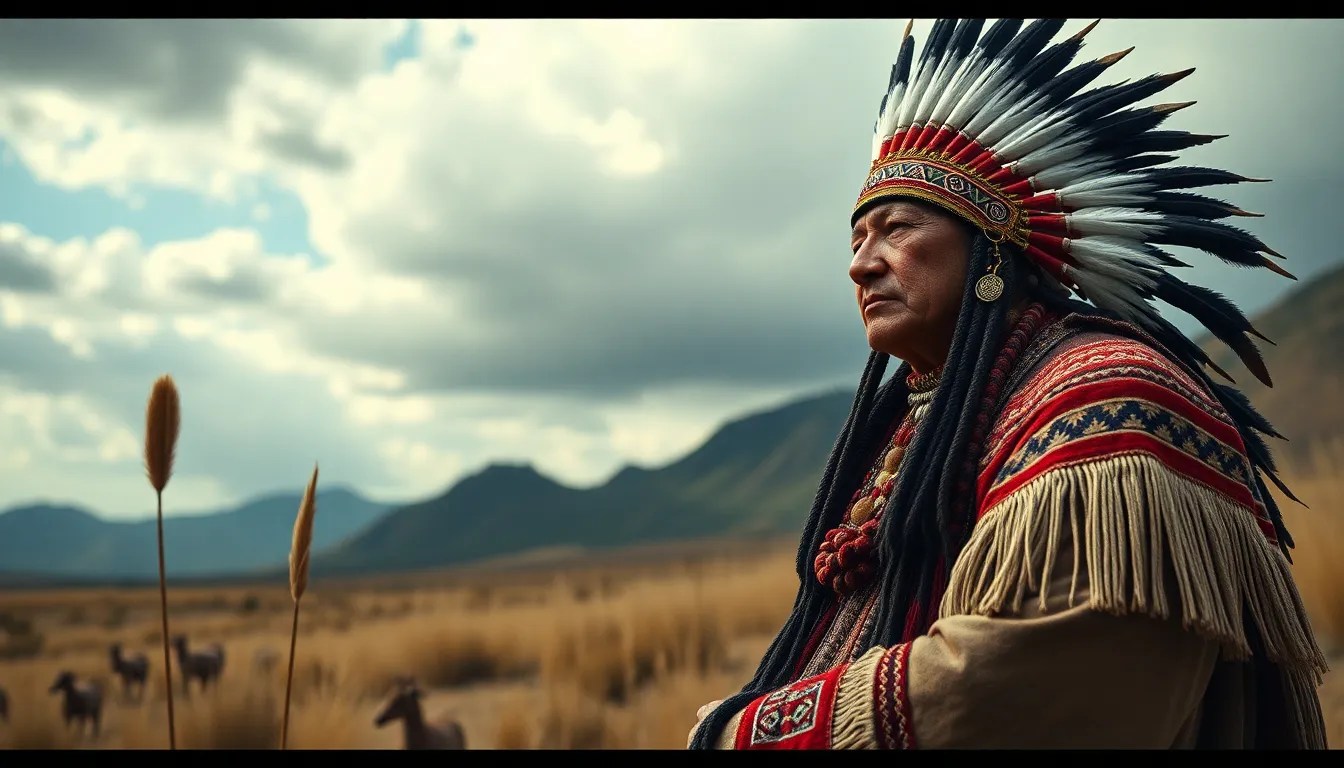
The Role of the Apache Healer: Bridging the Physical and Spiritual
I. Introduction to Apache Healing Traditions
Apache culture is rich with traditions and beliefs that intertwine the physical and spiritual realms. Central to this culture is the concept of healing, which is not merely a physical restoration but a holistic approach to well-being. Apache healing traditions encompass a myriad of practices that address the body, mind, and spirit, reflecting the deep connection the Apache people have with nature and the universe.
In Apache society, healers hold a significant status, often seen as the bridge between the physical and spiritual worlds. Their role is vital not just for individual health but for the overall balance and harmony of the community. This article aims to explore the intricate world of Apache healers, their practices, and the challenges they face in contemporary society.
II. Historical Context of Apache Healing Practices
The roots of Apache healing traditions can be traced back to ancient practices that were shaped by the environment and resources available to the Apache people. The arid landscapes of the Southwest provided a unique array of medicinal plants and natural remedies that have been utilized for generations.
Over the centuries, these healing practices have evolved, influenced by interactions with neighboring tribes and later, European settlers. Despite these changes, the core principles of Apache healing—balance, harmony, and connection to the spiritual world—have remained intact.
A. Ancient roots of healing traditions
Apache healing practices are deeply embedded in their mythology and oral histories, where stories of creation and the spirit world inform their understanding of health and illness.
B. Influence of environment and natural resources
- Local flora and fauna play a significant role in the development of herbal remedies.
- Geographical features influence the types of rituals and practices that are employed.
C. The evolution of healing practices through time
As the Apache people have adapted to changes in their environment and society, so too have their healing practices. Modern influences have both challenged and enriched these traditions.
III. The Apache Healer: Roles and Responsibilities
In Apache culture, a healer—not merely a practitioner of medicine—embodies a vital role that extends beyond the physical. Healers are respected figures who undergo rigorous training and apprenticeship to gain their knowledge and skills.
A. Definition of a healer in Apache culture
A healer is often referred to as a “medicine person” or “curandero,” who serves not only as a healthcare provider but also as a spiritual guide and counselor.
B. Training and apprenticeship processes
Becoming a healer involves:
- Mentorship under an experienced healer.
- Extensive knowledge of medicinal plants and their uses.
- Understanding of cultural rituals and spiritual practices.
C. The healer’s relationship with the community
Healers are integral to their communities, often serving as the first point of contact for health issues. Their knowledge fosters trust and reliance within the community, reinforcing the bonds of social cohesion.
IV. Physical Healing Techniques Used by Apache Healers
Apache healers employ various physical techniques to restore health and balance. These methods are steeped in tradition and often involve the use of natural resources.
A. Herbal remedies and medicinal plants
Many healers are knowledgeable about a wide range of plants, such as:
- **White Sage**: Used for purification and cleansing.
- **Mugwort**: Believed to aid in digestion and relaxation.
- **Echinacea**: Commonly used to boost the immune system.
B. Traditional massage and manipulation techniques
Healers often use physical manipulation techniques that align the body’s energies, relieving pain and promoting healing. These practices may include:
- Massage to relieve muscle tension.
- Joint manipulation to restore mobility.
C. Role of diet and nutrition in healing
Nutrition is crucial in Apache healing practices, where healers emphasize a balanced diet that incorporates traditional foods and emphasizes the importance of sustainable practices.
V. Spiritual Healing Practices
Spirituality is at the heart of Apache healing. Healers facilitate spiritual cleansing and connection through various practices.
A. Ceremonies and rituals for spiritual cleansing
Rituals are performed to cleanse individuals of negative energies or spirits. Common ceremonies include:
- **Sweat Lodge Ceremonies**: Used for purification and spiritual renewal.
- **Vision Quests**: Personal journeys to seek guidance and insight.
B. Use of prayer and meditation in healing
Prayer and meditation are fundamental components, allowing individuals to connect with the spirit world and seek healing.
C. Connection between spirituality and physical health
The Apache belief system maintains that physical ailments often have spiritual origins, thus intertwining the two realms in the healing process.
VI. The Healer as a Mediator Between Worlds
The Apache healer plays a unique role as a mediator between the physical and spiritual realms, navigating the complexities of both worlds.
A. Understanding the duality of physical and spiritual realms
Apache culture emphasizes the interconnectedness of all things, where health is seen as a balance between these realms.
B. The healer’s role in communicating with spirits
Healers often engage in practices that involve communication with ancestors and guiding spirits to seek answers and guidance for their patients.
C. Balancing traditional beliefs with modern practices
While many healers adhere to traditional practices, some incorporate modern medical knowledge, creating a holistic approach to healing.
VII. Challenges Facing Apache Healers Today
Despite the enduring legacy of Apache healing traditions, contemporary healers face numerous challenges.
A. The impact of modernization and cultural erosion
Modernization has led to a decline in traditional practices, with younger generations often gravitating towards Western medicine.
B. Legal and societal barriers to traditional practices
Healers often encounter legal restrictions that hinder their ability to practice freely, especially in areas such as herbal medicine.
C. Efforts to preserve and revitalize healing traditions
There are ongoing efforts within the Apache community to revitalize and preserve traditional healing practices through education and cultural programs.
VIII. Conclusion: The Enduring Legacy of Apache Healers
Apache healers continue to play a significant role in the cultural identity and health of their communities. Their practices are not only vital for individual healing but also for fostering cultural pride and continuity.
As society progresses, it is crucial to respect and appreciate indigenous healing traditions, recognizing their value and significance in the modern world. The future of Apache healing practices depends on the commitment to preserving these traditions while embracing the wisdom they offer.


